
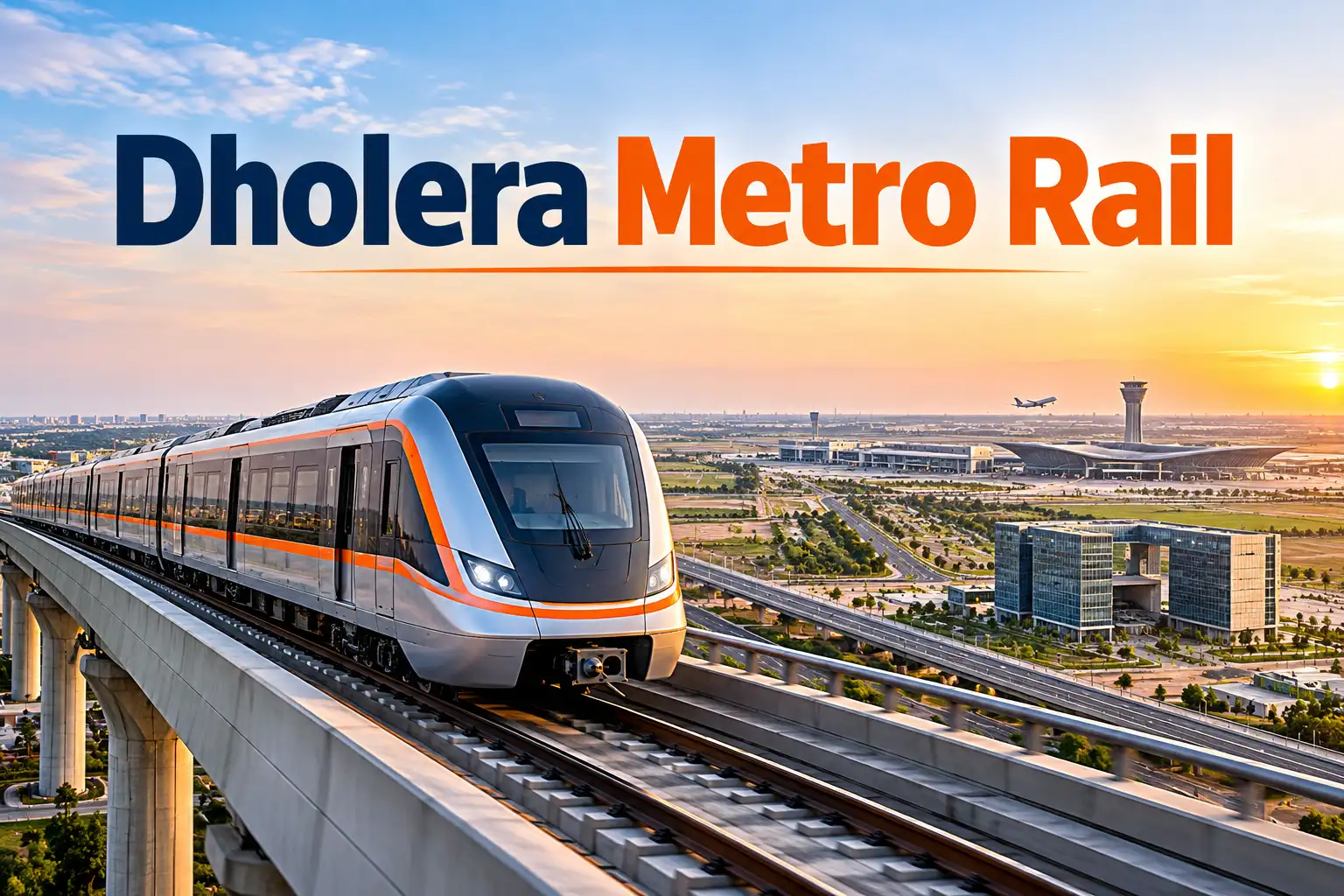
Gujarat’s ambitious Dholera Smart City is about to get a whole lot more accessible. The proposed Dholera High-Speed Metro, a semi high-speed rail link between Ahmedabad and the Dholera Special Investment Region (SIR), is shaping up to be one of the most talked-about infrastructure projects under the larger Delhi-Mumbai Industrial Corridor (DMIC) initiative. If it comes through on schedule, it could redefine how people live, work, and travel between one of Gujarat’s biggest cities and its most futuristic urban project.
What Exactly Is the Dholera Metro?
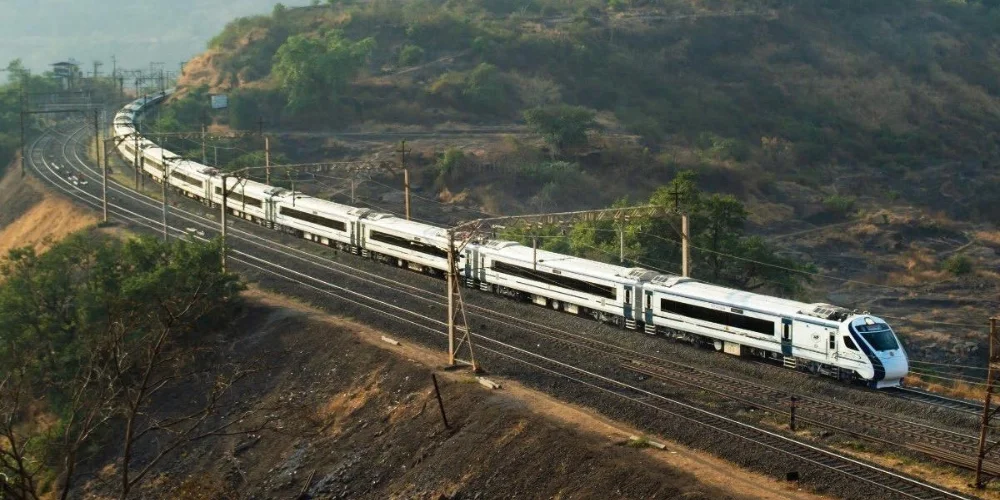
At its core, this is a rail corridor designed to connect Sabarmati in Ahmedabad to the Dholera International Airport and Dholera SIR, covering a distance of roughly 109 km. Unlike a conventional city metro, this line is being built for speed — trains are expected to run at 160-180 km/h, putting it in the semi high-speed category rather than a standard urban transit system.
The project carries an estimated price tag of over ₹6,500 crore and is being jointly developed by two of India’s most experienced metro-building agencies: the Delhi Metro Rail Corporation (DMRC) and the Gujarat Metro Rail Corporation (GMRC). Structurally, it’s planned as a mix of elevated and at-grade corridor, which should help keep both construction costs and land acquisition challenges manageable along the route.
The Route: Ahmedabad to Dholera in About an Hour
The proposed alignment starts at the Sabarmati Multimodal Transport Hub and moves through Bavla, Dholka, and Vataman before terminating at Dholera SIR and the Dholera International Airport. These aren’t arbitrary stops — Bavla and Dholka are established urban centers, while Vataman sits closer to the industrial belt that Dholera SIR is being built around.
The headline number that gets people excited is travel time. A journey that currently takes about 2.5 hours by road is expected to shrink to roughly an hour once the metro is operational. That’s a game-changer for daily commuters, business travelers, and anyone shuttling between Ahmedabad and the upcoming airport.
Why This Project Matters
Unlocking Dholera SIR’s potential. Dholera SIR has been positioned as a global manufacturing and residential hub for years, but its success depends heavily on how easily people can actually get there. A fast, reliable rail link solves a real bottleneck — letting factory workers, office staff, and investors move between Ahmedabad and Dholera without being at the mercy of road traffic.
Airport connectivity. One of the more practical benefits is the direct link to Dholera International Airport. Once operational, this means smoother airport transfers, easier movement for aviation staff, and better logistics support for cargo operations — all of which matter a great deal to an emerging industrial zone.
A cleaner, more comfortable commute. With air-conditioned coaches, modern stations, and real-time scheduling, the metro is designed to offer a noticeably better travel experience than current road options, while also cutting down on vehicle emissions along the corridor.
Where the Project Currently Stands
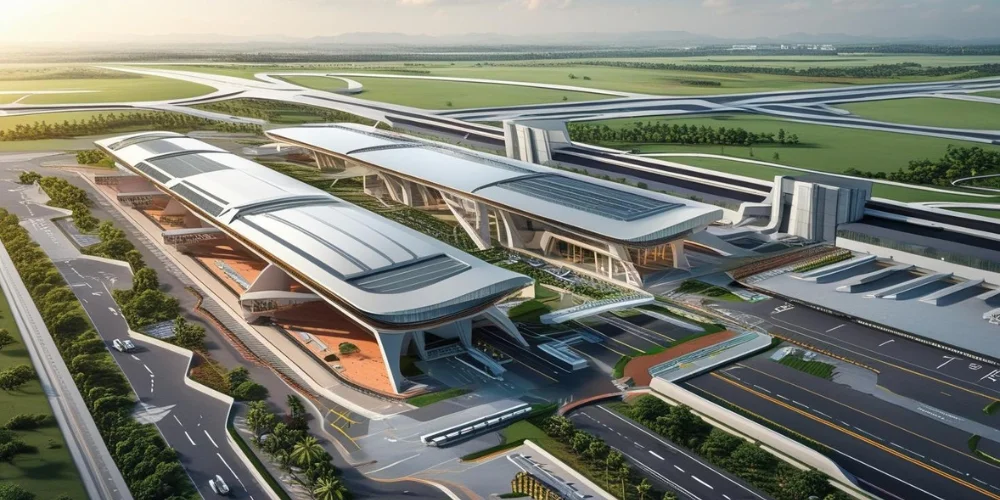
As of now, the pre-feasibility study is complete, and DMRC has submitted the Detailed Project Report (DPR). The Gujarat Government has given an in-principle approval, which is an important milestone, though central government funding is still awaited. Construction is expected to begin once funding and tendering are finalized, with a firm completion date to be announced afterward. In short: the groundwork is done, but the project is still in the approval-and-funding phase rather than active construction.
Fitting Into the Bigger Smart City Picture
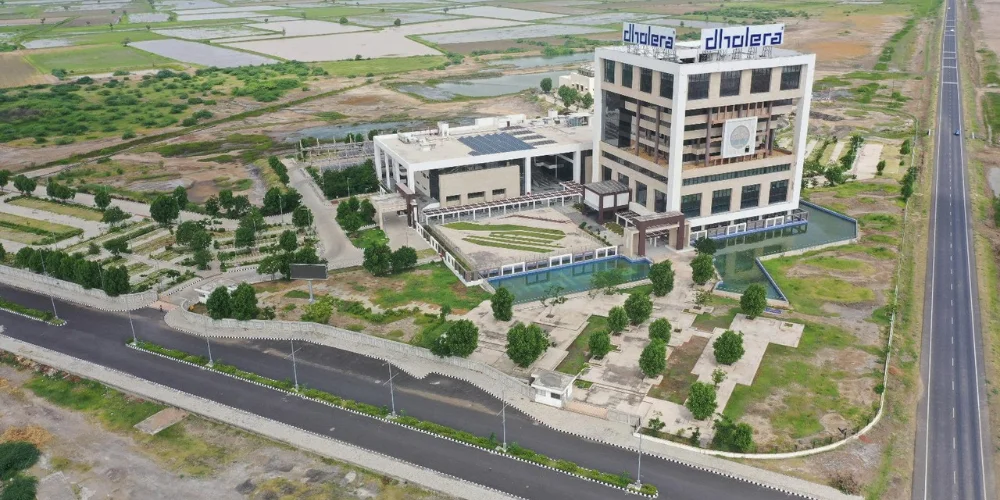
The metro isn’t a standalone project — it’s one piece of Dholera’s broader smart infrastructure vision. Once running, it’s expected to work alongside:
- Transit-oriented development (TOD) around metro stations
- Digital ticketing and smart card systems
- Clean energy-powered operations
- Electric buses and e-rickshaws for last-mile connectivity
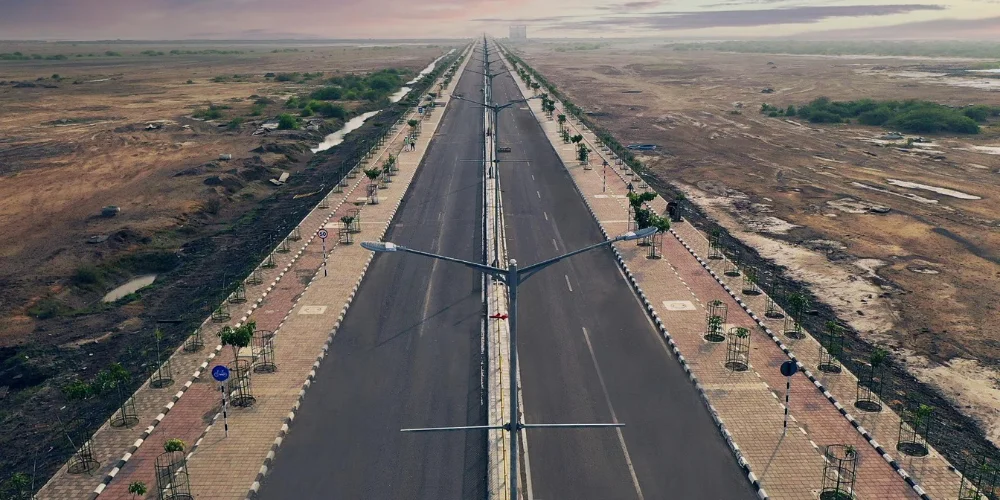
Together with existing infrastructure like the Dholera Expressway and the under-development international airport, the metro rounds out a transport ecosystem designed to support Dholera’s growth as one of India’s most planned urban regions.
The Road Ahead
For a project of this scale, patience is part of the process. Central funding approval and the tendering process are the next major milestones to watch. But the direction is clear: once complete, the Dholera High-Speed Metro will cut travel time dramatically, strengthen industrial and residential growth in the SIR, and give Ahmedabad-Dholera one of the more advanced regional rail links in the state.
For residents, investors, and businesses eyeing Dholera’s growth story, this metro corridor is worth tracking closely — it may well be the connectivity piece that ties the entire smart city vision together.
FAQs
About 109 km, connecting Ahmedabad to Dholera SIR.
160–180 km/h, cutting travel time to around 1 hour.
Yes — a station is planned at Dholera International Airport.
Who’s building it? DMRC and GMRC, jointly.
No confirmed date yet — construction starts once central funding and tendering are finalized.