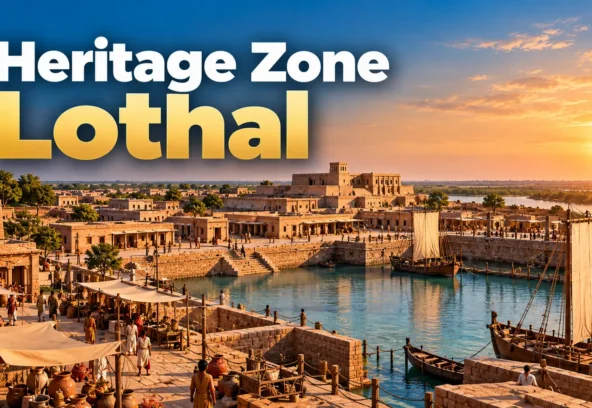

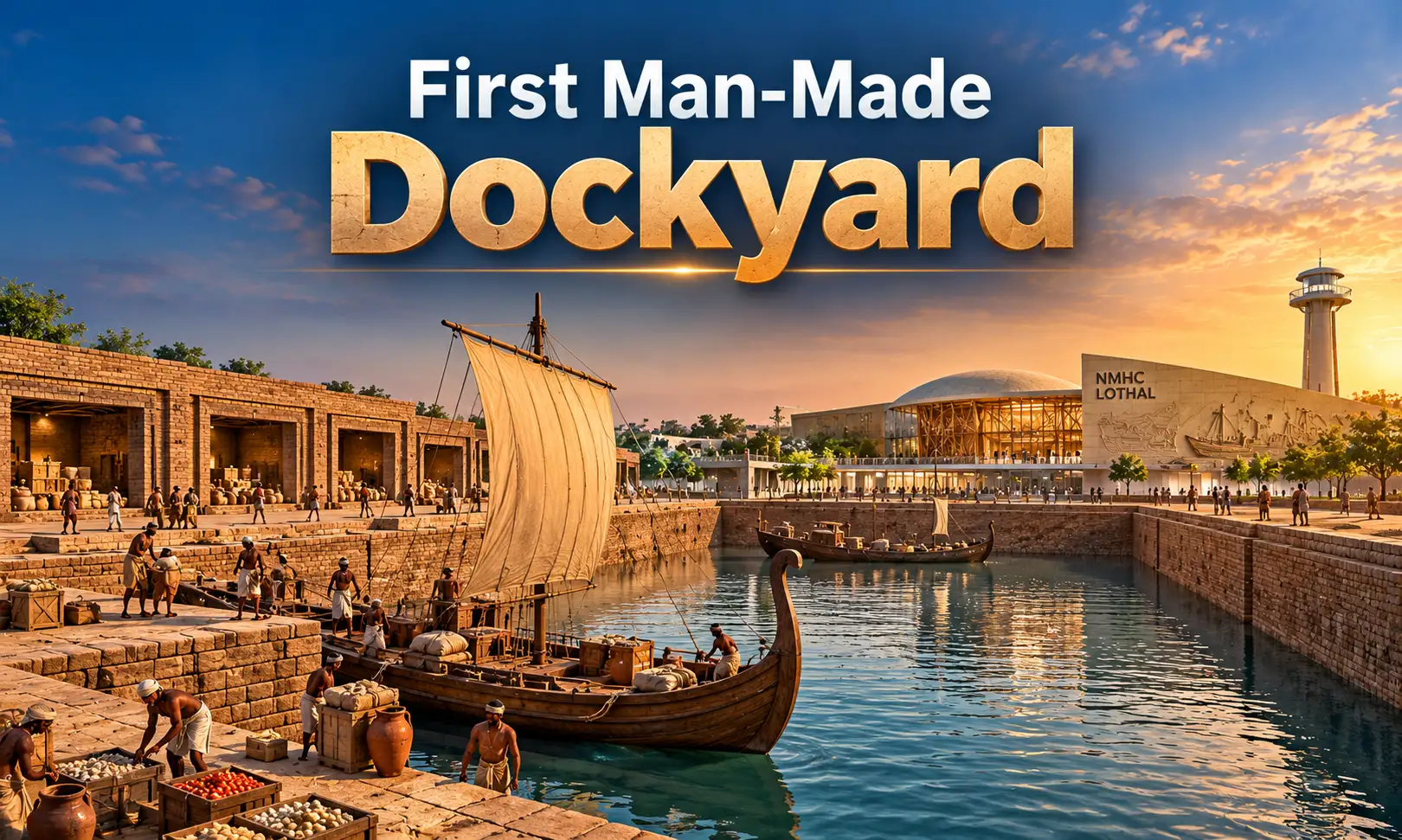
Long before modern ports, container ships and lighthouses, a small town in Gujarat was already sending boats across the sea. That town was Lothal, home to what archaeologists consider the first man-made dockyard in human history.
More than 4,000 years ago, the Harappans built a brick basin here to shelter, load and repair their boats. It was a bold piece of engineering for its time, and it tells us that India’s relationship with the sea is far older than most people imagine.
Today, the Government of India is honouring that legacy through the National Maritime Heritage Complex (NMHC) at Lothal. Let’s explore the dockyard, the people who built it, and the new complex that celebrates it.
Where Is Lothal and Why Does It Matter?
Lothal lies near the village of Saragwala in Ahmedabad district, Gujarat. It sits in the flat land between the Sabarmati river and the Gulf of Khambhat, a location that once gave easy access to the Arabian Sea.
The name “Lothal” is often translated from Gujarati as “mound of the dead.” For centuries, that mound hid one of the most important trading towns of the Harappan (Indus Valley) Civilisation.
Lothal matters because it shows that ancient Indians were not just farmers and city-builders. They were also skilled sailors and traders who understood tides, rivers and sea routes.
The Discovery of the Dockyard
Lothal was excavated by the Archaeological Survey of India between 1955 and 1960, under the leadership of archaeologist S.R. Rao. His team uncovered streets, houses, drains, workshops and warehouses.
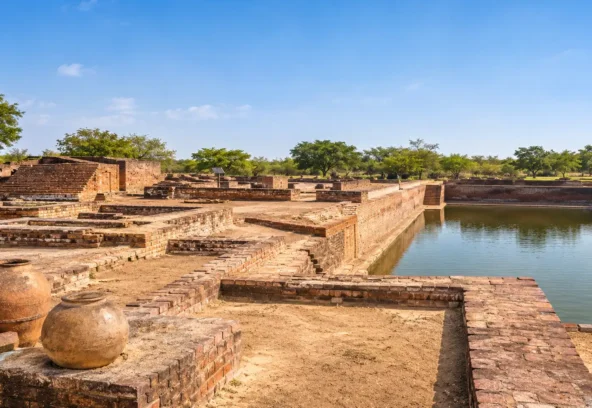
The biggest surprise was a huge rectangular basin on the eastern side of the town. It was lined with kiln-baked bricks and linked to an old river channel.
Rao identified this basin as a dockyard, and the finding changed how historians view early maritime history. It pushed the story of planned harbour engineering back by many centuries.
How the Harappans Built the First Man-Made Dockyard
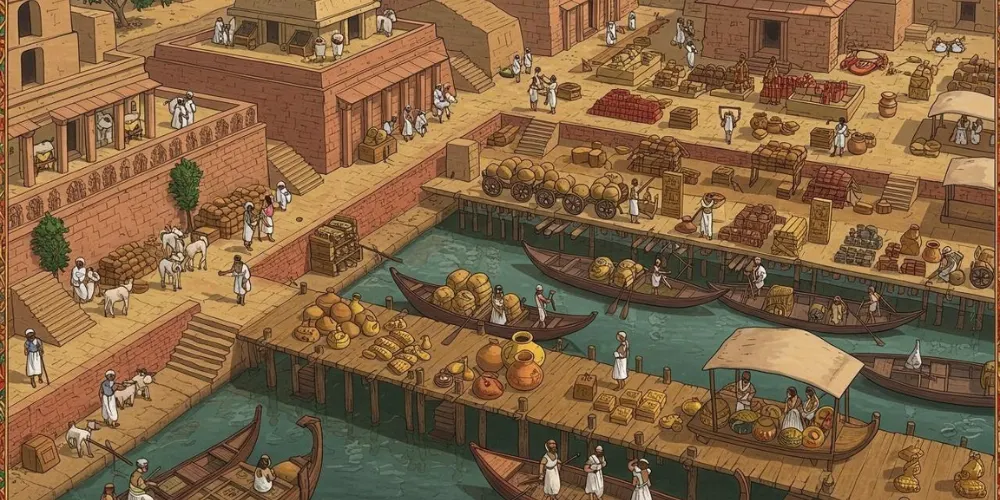
The Lothal dock is roughly 215 metres long and about 37 metres wide. For a civilisation working without iron tools or machines, that is an impressive achievement.
The builders used burnt bricks, which resist water far better than sun-dried ones. The walls were carefully aligned, showing a solid grasp of measurement and planning.
A clever feature was the inlet channel and spillway system. This helped control water levels, so boats could enter during high tide and stay afloat when the tide went out.
Next to the dock stood a raised warehouse platform. Goods could be unloaded, checked, sealed and stored close to the boats, much like a modern port terminal.
It is worth noting that a few scholars have argued the basin may have been a water reservoir. However, the dock theory remains the most widely accepted view, and it is the one showcased at NMHC.
Lothal: A Busy Hub of Ancient Trade
Lothal was not a large city, but it was a very busy one. Its workshops produced beads from carnelian and agate, shell ornaments, copper objects and fine pottery.
These goods travelled far. According to NMHC’s museum plans, the Harappans traded with the Persian Gulf, Oman, Mesopotamia and Egypt, both through inland routes and by sea.
Seals and weights found at the site point to an organised trade system. A seal linked to the Persian Gulf region, discovered at Lothal, supports the idea of direct overseas contact.
Lothal also connected with other Harappan port towns, such as Dholavira and settlements along the Makran coast. Together, they formed an early maritime network across the Arabian Sea.
The Decline of Lothal
No town lasts forever. Over time, floods, shifting rivers and changing climate conditions affected Lothal badly.
As the river course moved and the port lost easy access to water, trade slowly declined. Many scholars link this to the wider decline of the Harappan Civilisation around 1900 BCE.
Yet the story did not end there. After the Harappan age, people moved to new regions, carrying their metal skills and trading knowledge with them. That movement shaped later trade routes across the Indian subcontinent.
The National Maritime Heritage Complex (NMHC) at Lothal
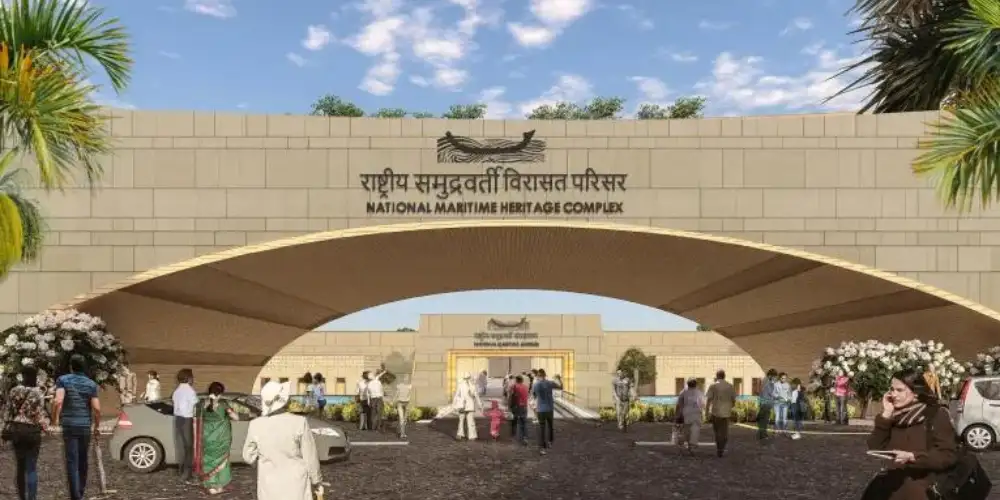
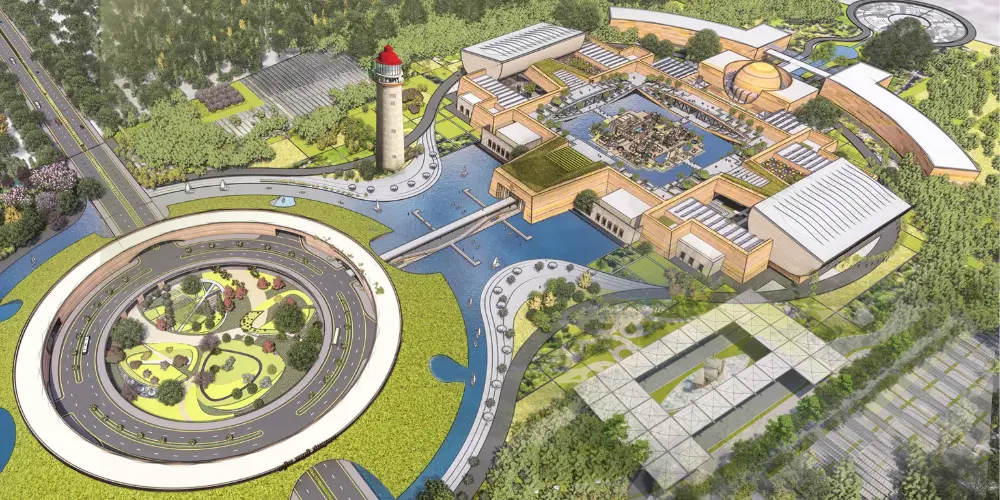
To celebrate this rich history, the Ministry of Ports, Shipping and Waterways is developing the National Maritime Heritage Complex at Lothal. Its goal is to tell India’s maritime story from ancient times to the present day.
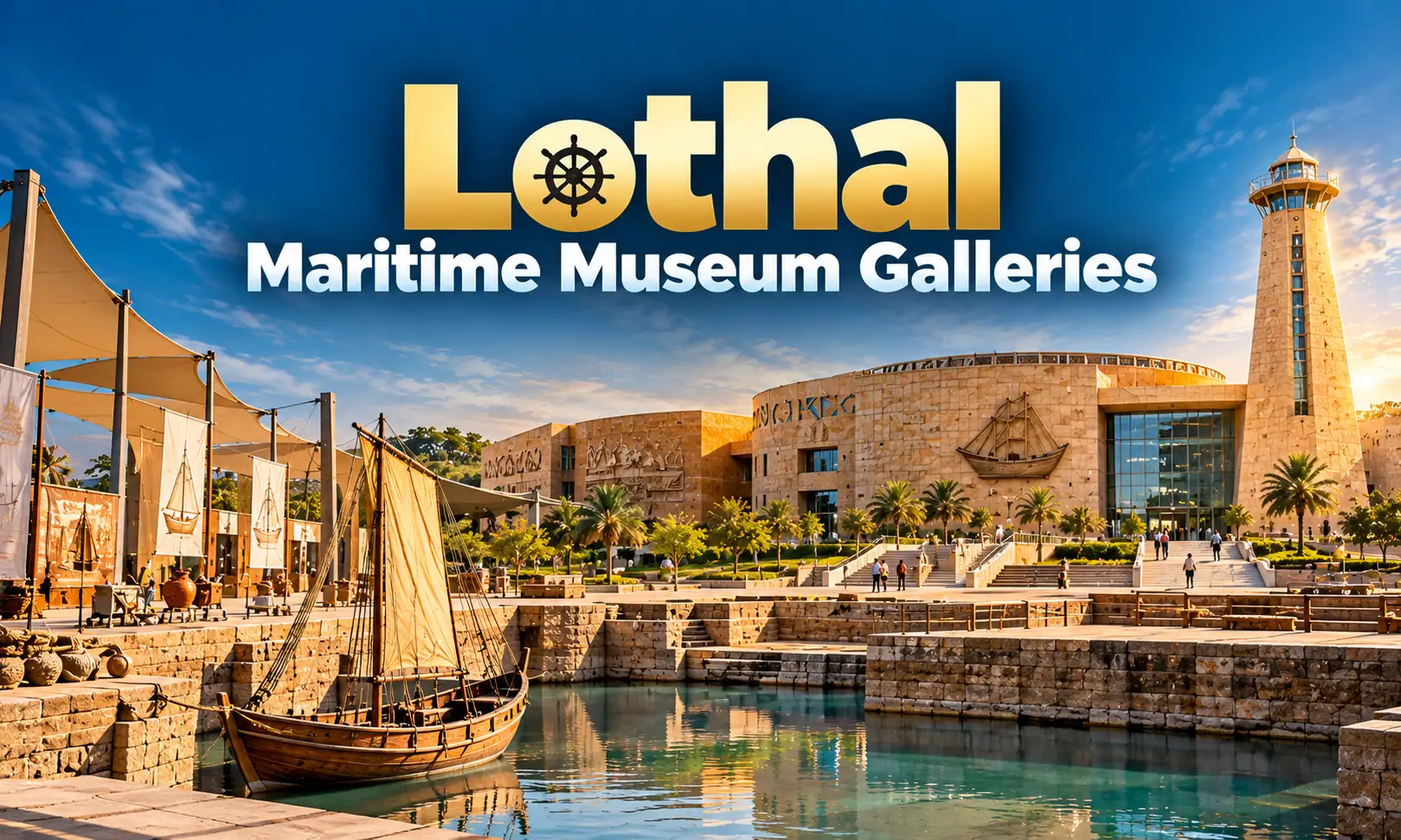
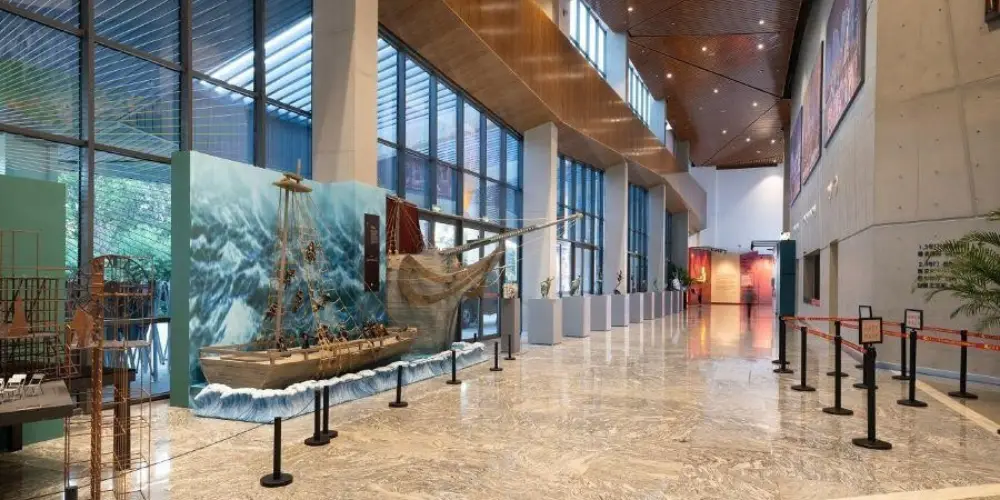
The heart of the project is the National Maritime Museum, planned with 14 galleries. Gallery 2, titled “Harappans – The Pioneer Seafarers,” focuses on Lothal, its dockyard and Harappan trade links with distant lands.
Other galleries cover ocean mythology, post-Harappan trade routes, India’s links with the Greco-Roman world, and the evolution of the Indian Navy and Coast Guard.
One exciting feature is Lothal Town, a recreated mini Harappan settlement inside the museum courtyard. It will be surrounded by water to evoke the old dock and will include ancient-style houses, streets and markets.
Visitors will even get to try a barter-style marketplace, experiencing trade the way people did before money existed. Walkthroughs, workshops, food stalls and evening shows are also planned.
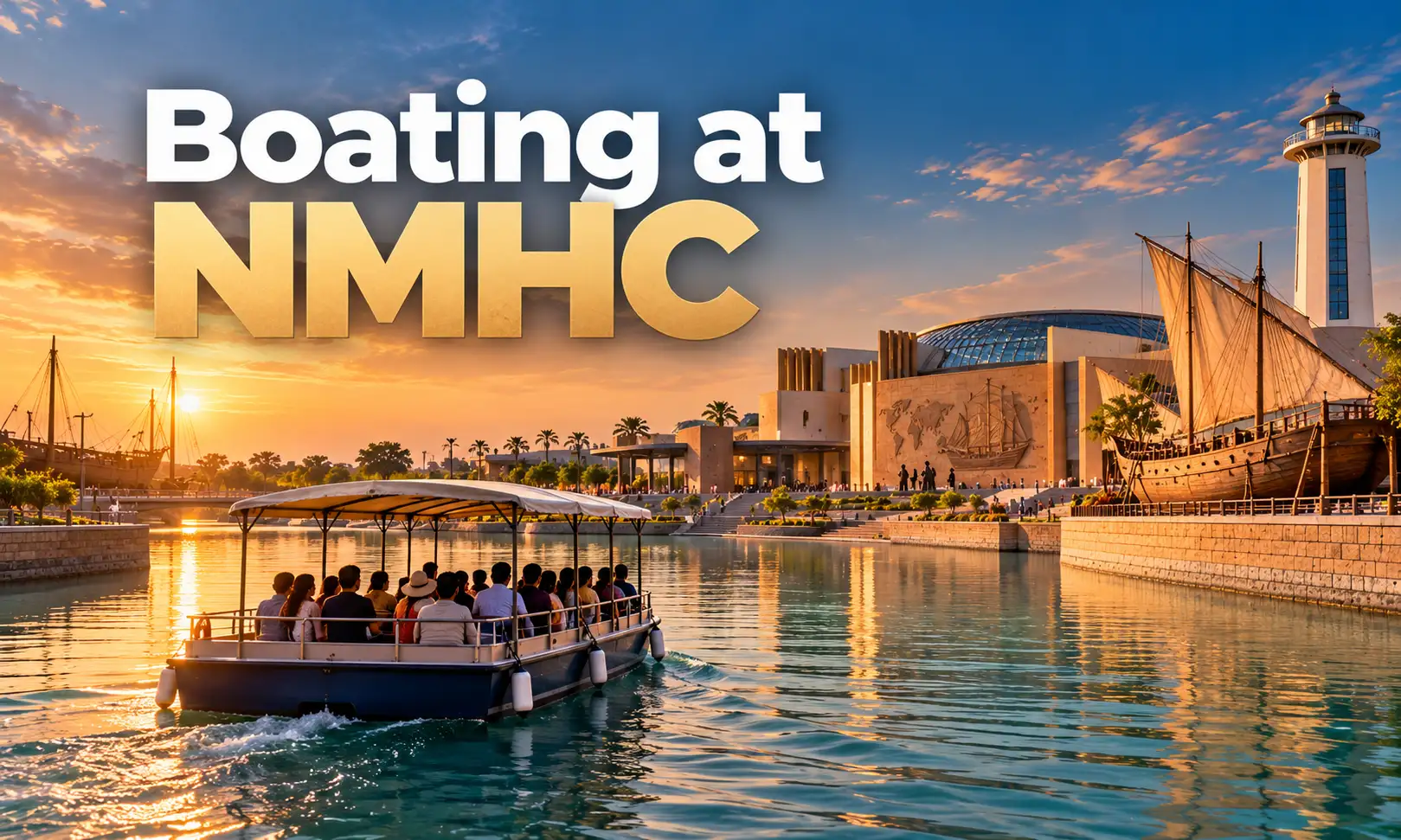
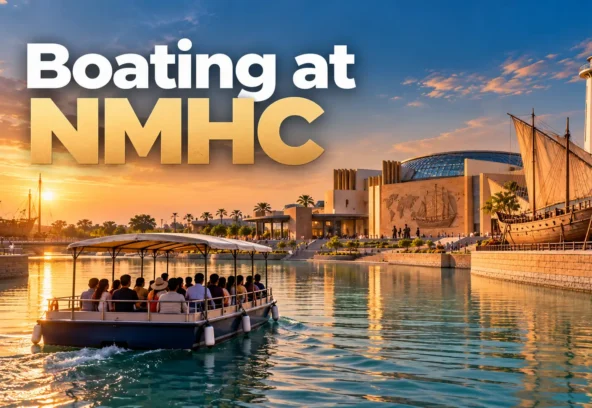
The complex also displays real naval assets, including the warship INS Nishank, an IL-38 SD aircraft and a Sea Harrier jet. Boating is available too.
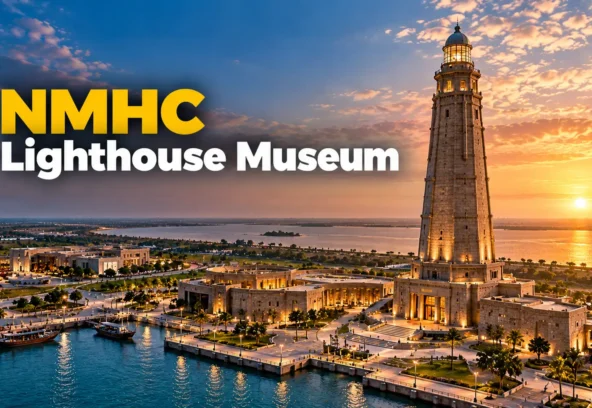
Future plans include a lighthouse museum, a 5D dome auditorium, coastal state pavilions, themed parks and maritime-style eco-resorts. The site has also seen collaboration from countries such as Portugal, Vietnam, the UAE, Oman, Italy and the Netherlands.
Why You Should Visit Lothal
A visit to Lothal is a journey back in time. Standing beside the ancient dock, you can picture wooden boats sailing in with the tide, loaded with beads, grain and cotton.
With the NMHC, the experience becomes even richer. You can see the ruins, then walk through modern galleries that explain what you just saw.
It is ideal for students, history lovers, families and anyone curious about India’s past. Lothal is about 80 kilometres from Ahmedabad, making it an easy day trip.
For timings, tickets and updates, check the official NMHC website at nmhc.in before planning your visit.
Conclusion
Lothal’s dockyard is more than an old brick basin. It is proof that India’s ancestors were engineers, traders and sailors who looked confidently towards the sea.
The first man-made dockyard reminds us that innovation has deep roots on Indian soil. And with the National Maritime Heritage Complex, that 4,500-year-old story is finally getting the stage it deserves.
Frequently Asked Questions
It is at Lothal, near Saragwala village in Ahmedabad district, Gujarat, India.
It was built by the people of the Harappan (Indus Valley) Civilisation.
It is generally dated to around 2400 BCE, making it over 4,000 years old.
Archaeologist S.R. Rao of the Archaeological Survey of India excavated it between 1955 and 1960.
It is a project by the Ministry of Ports, Shipping and Waterways at Lothal that showcases India’s maritime history through museums, galleries and attractions.