
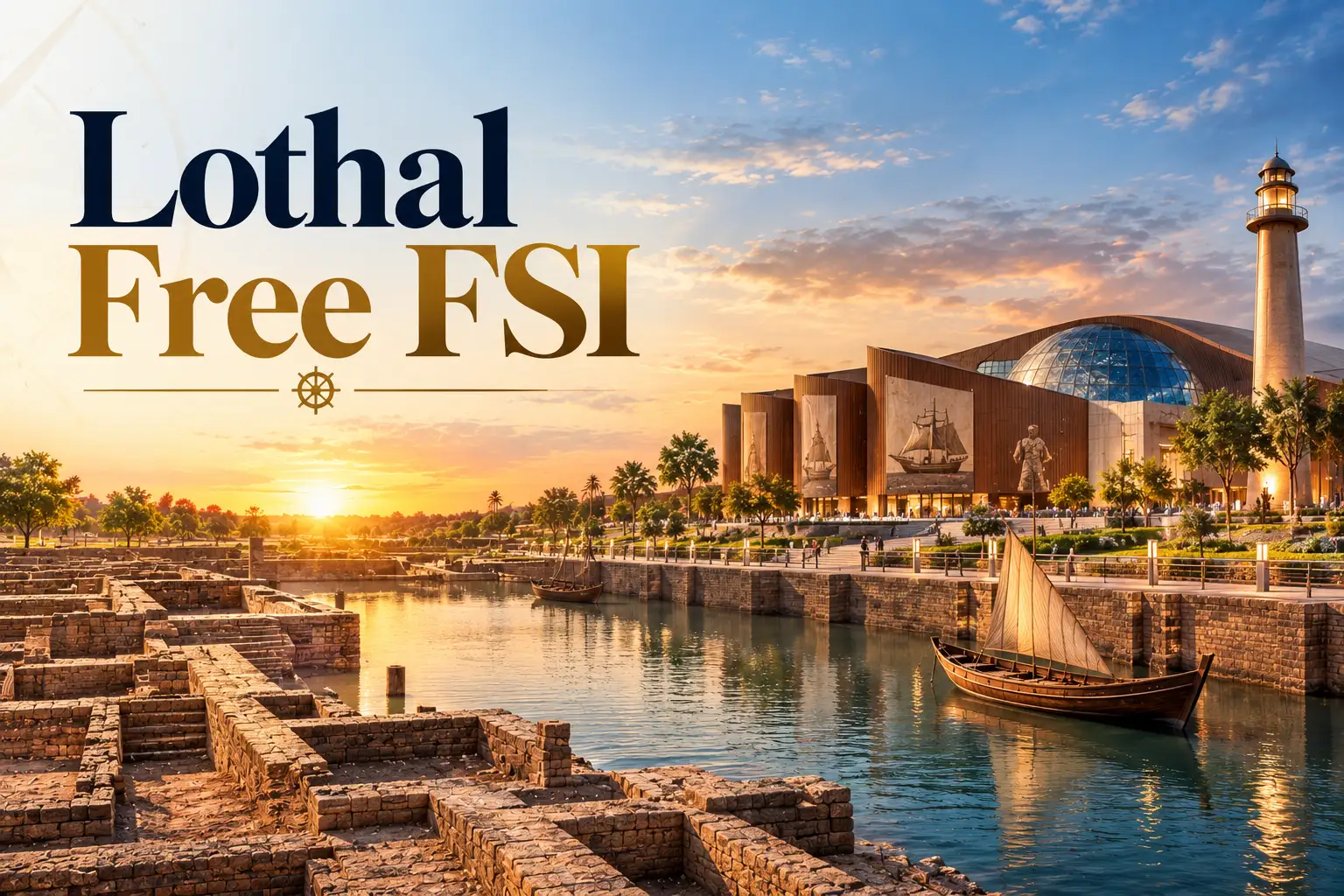
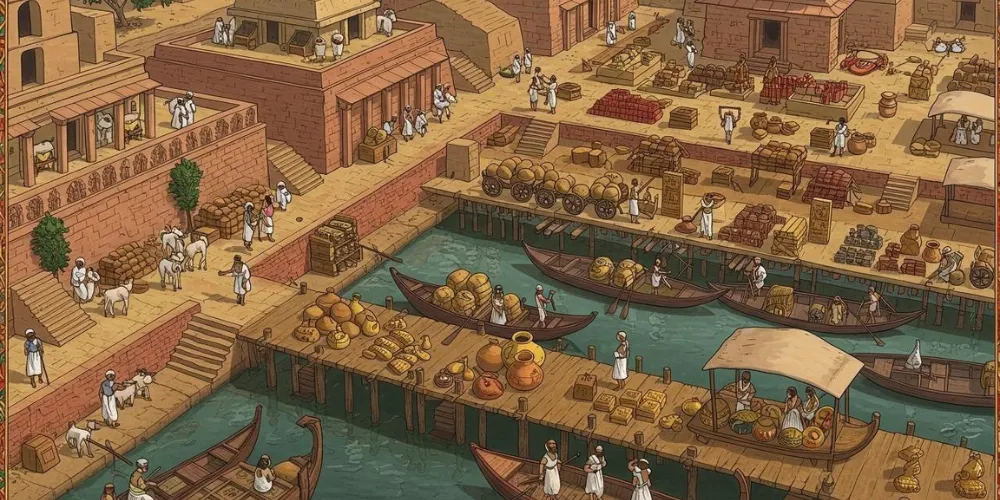
Lothal was once one of the busiest ports of the Harappan world. More than 4,000 years later, it is preparing for a second life as one of India’s most ambitious heritage destinations.
The Gujarat government has announced a free Floor Space Index (FSI) for private developers in Lothal for the next five years, up to 2031. The goal is simple: bring in private money to build the hotels, resorts and visitor facilities that a world-class heritage site needs.
Here is everything investors, developers and travellers should know about the Lothal free FSI policy.
What Is the Lothal Free FSI Policy?
Floor Space Index decides how much built-up area a developer can construct on a plot. Usually, building beyond the base FSI means paying a premium to the authorities.
Under the new policy, that extra cost is waived for eligible projects in Lothal for five years. Developers can build more on the same land without paying for additional FSI.
This lowers the upfront cost of hospitality and tourism projects. For investors, it improves project viability at a time when the region’s tourism story is only beginning.
The incentive is time-bound. Investors who commit before 2031 stand to gain the most from it.
Why Lothal, and Why Now?
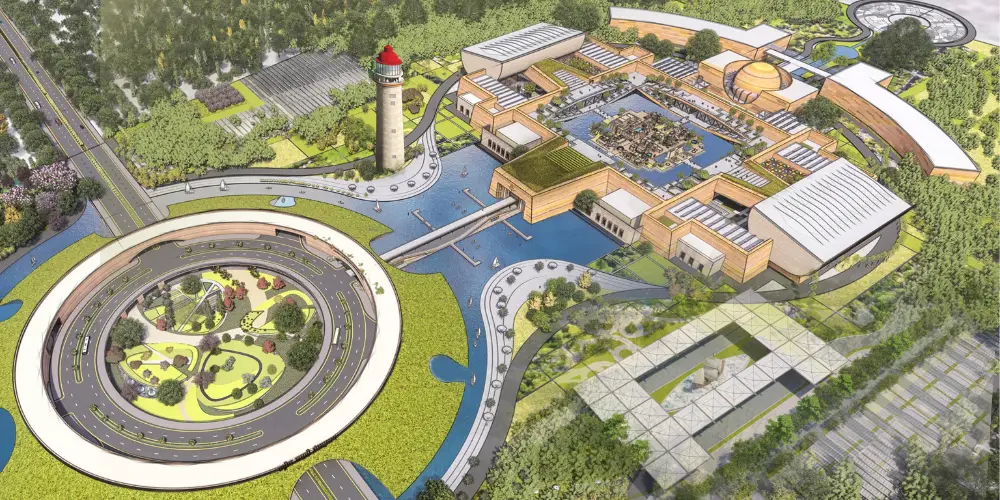
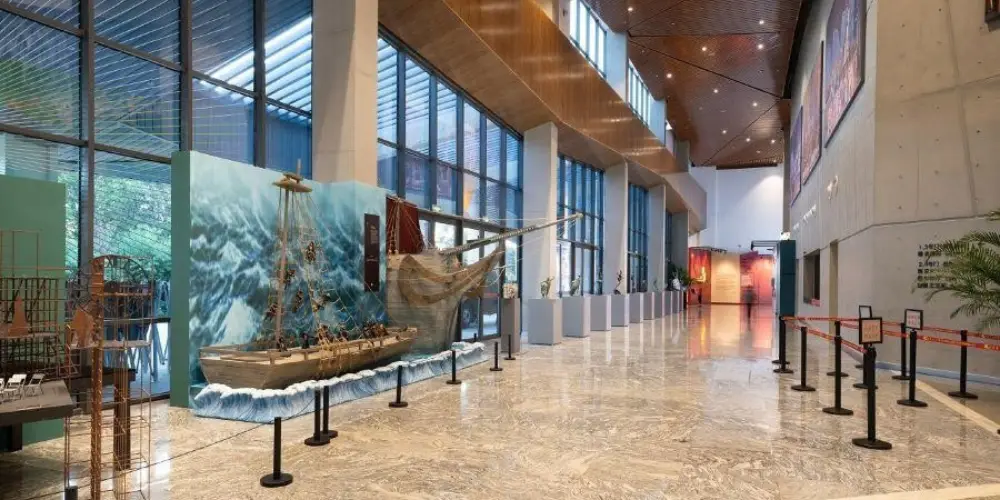
The policy is tied directly to the National Maritime Heritage Complex (NMHC), which is coming up at Saragwala village in Dholka taluka of Ahmedabad district.
The NMHC is designed to showcase India’s long maritime history, from Harappan trade routes to modern naval strength. Once complete, it is expected to draw large numbers of domestic and international visitors.
But a major attraction needs a support ecosystem around it. Visitors need places to stay, eat, shop and spend an extra day. Today, Lothal lacks that infrastructure.
The free FSI offer is the state’s way of filling this gap early, so facilities grow alongside the heritage complex instead of years after it opens.
Zoning Plan: Protecting the Past While Building the Future
Growth around an archaeological site has to be handled with care. That is why the government has drawn up a clear zoning plan for the area.
Restricted Zone
No new construction will be allowed within a defined radius of the ancient Lothal dockyard. This keeps the core archaeological site safe from damage and visual clutter.
Buffer Zone
The area surrounding the restricted zone acts as a buffer. Construction here is permitted, but with height limits and strict building controls. This keeps the skyline low and the heritage setting intact.
Hospitality Zone
This is where most of the development will happen. A higher FSI is allowed in this zone, making it the prime area for tourism-related investment.
The zoning model balances two needs: protecting a 4,000-year-old site and creating space for modern tourism to flourish.
What Can Be Built in the Hospitality Zone?
The hospitality zone is planned to serve a wide range of travellers and budgets. Projects envisaged here include:
- Luxury resorts for premium and international tourists
- Budget hotels for families, students and day-trippers
- Cultural theme parks built around Harappan and maritime history
- Eco-tourism clusters that make use of the region’s natural landscape
- Handicraft centres that promote local artisans and Gujarati crafts
This mix means opportunities for large hotel chains as well as smaller local entrepreneurs. It also creates room for experiences that go beyond a single museum visit.
LADA: The Authority Steering Development
To make sure growth stays planned and orderly, the state has set up the Lothal Area Development Authority (LADA).
LADA covers an area of about 166.88 sq. km around the heritage site. It will handle planning, approvals and overall development in this region.
Having a single authority helps in several ways. It brings clarity on land use, speeds up decisions and ensures every project follows the zoning rules.
For investors, LADA is the main point of contact for understanding what can be built and where.
What This Means for Investors and Locals
The free FSI policy creates a strong early-mover advantage. Land and construction costs are likely to be lower now than after the NMHC draws peak crowds.
For local communities in Dholka taluka and nearby villages, new projects could bring jobs in hospitality, construction, guiding, transport and crafts.
Handicraft centres and eco-tourism clusters can also give local artisans and farmers a direct link to visitors.
Over time, Lothal could evolve from a quiet archaeological stop into a full-fledged tourism destination, much like other heritage circuits in Gujarat.
The Road Ahead
The success of the plan will depend on timely completion of the NMHC, good road connectivity from Ahmedabad and smooth approvals through LADA.
If these fall into place, the next five years could reshape the region. The Lothal free FSI policy is a clear signal that Gujarat wants private partners to help tell the story of India’s maritime past.
For developers and hospitality brands, the window is open until 2031.
Frequently Asked Questions (FAQs)
It is a Gujarat government incentive that waives the cost of additional Floor Space Index for tourism and hospitality projects in Lothal for five years.
The benefit is available for five years, up to 2031.
It is being developed at Saragwala village in Dholka taluka, Ahmedabad district, near the ancient Lothal site.
No. New construction is fully banned in the restricted zone around the dockyard. The buffer zone allows limited construction with height controls.
Luxury resorts, budget hotels, cultural theme parks, eco-tourism clusters and handicraft centres, with higher FSI permitted.