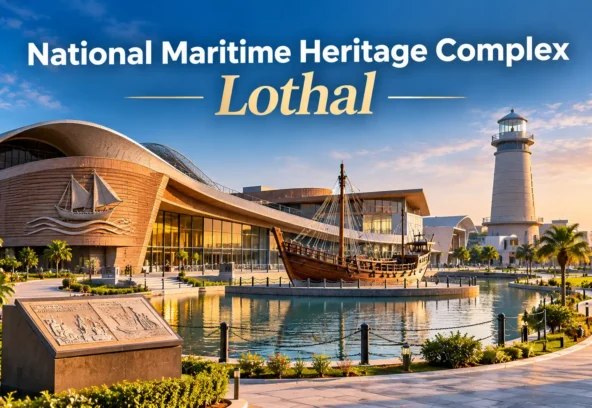

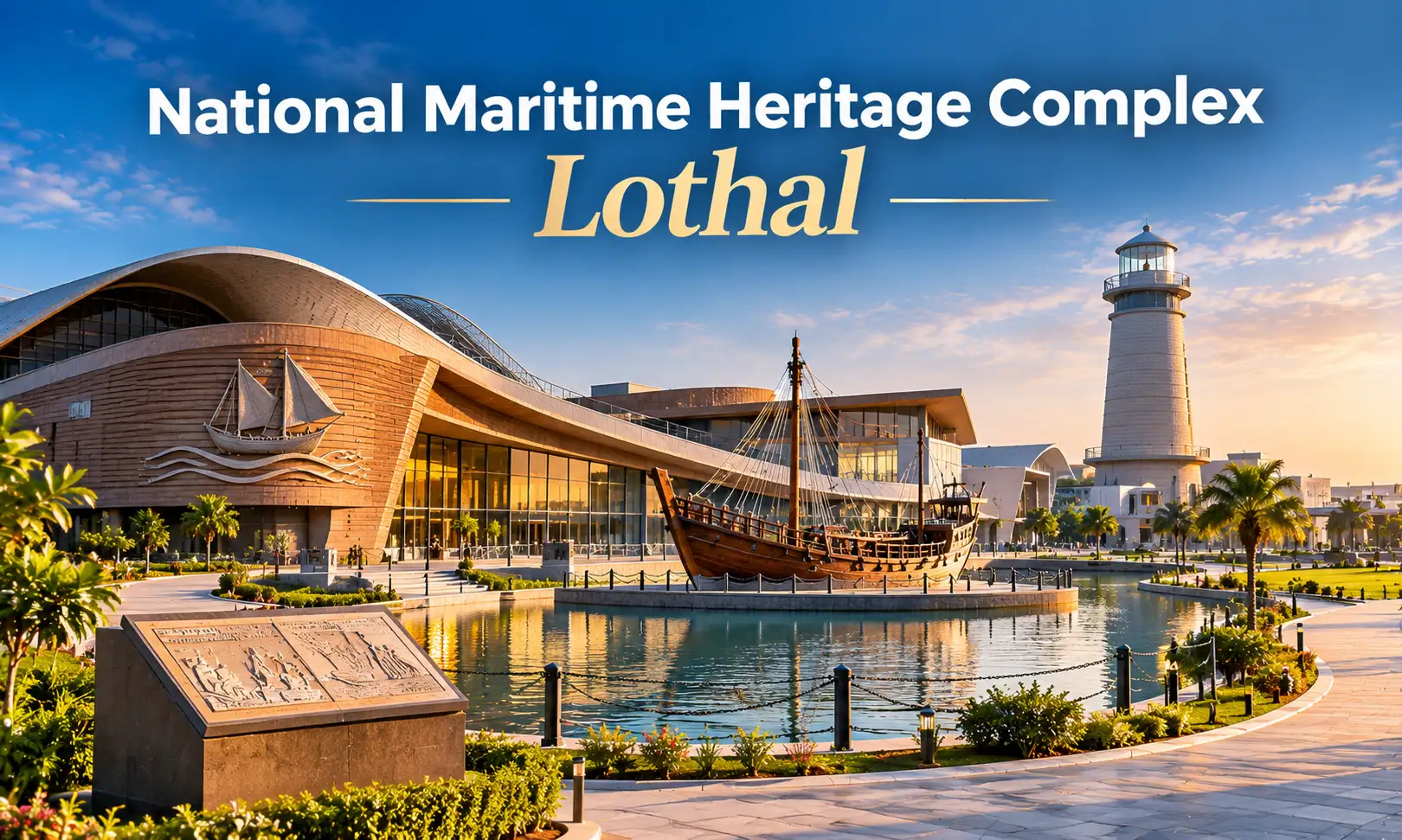
Gujarat is building something the world has never seen before. The National Maritime Heritage Complex Lothal (NMHC) is set to become one of the largest maritime museum complexes on the planet.
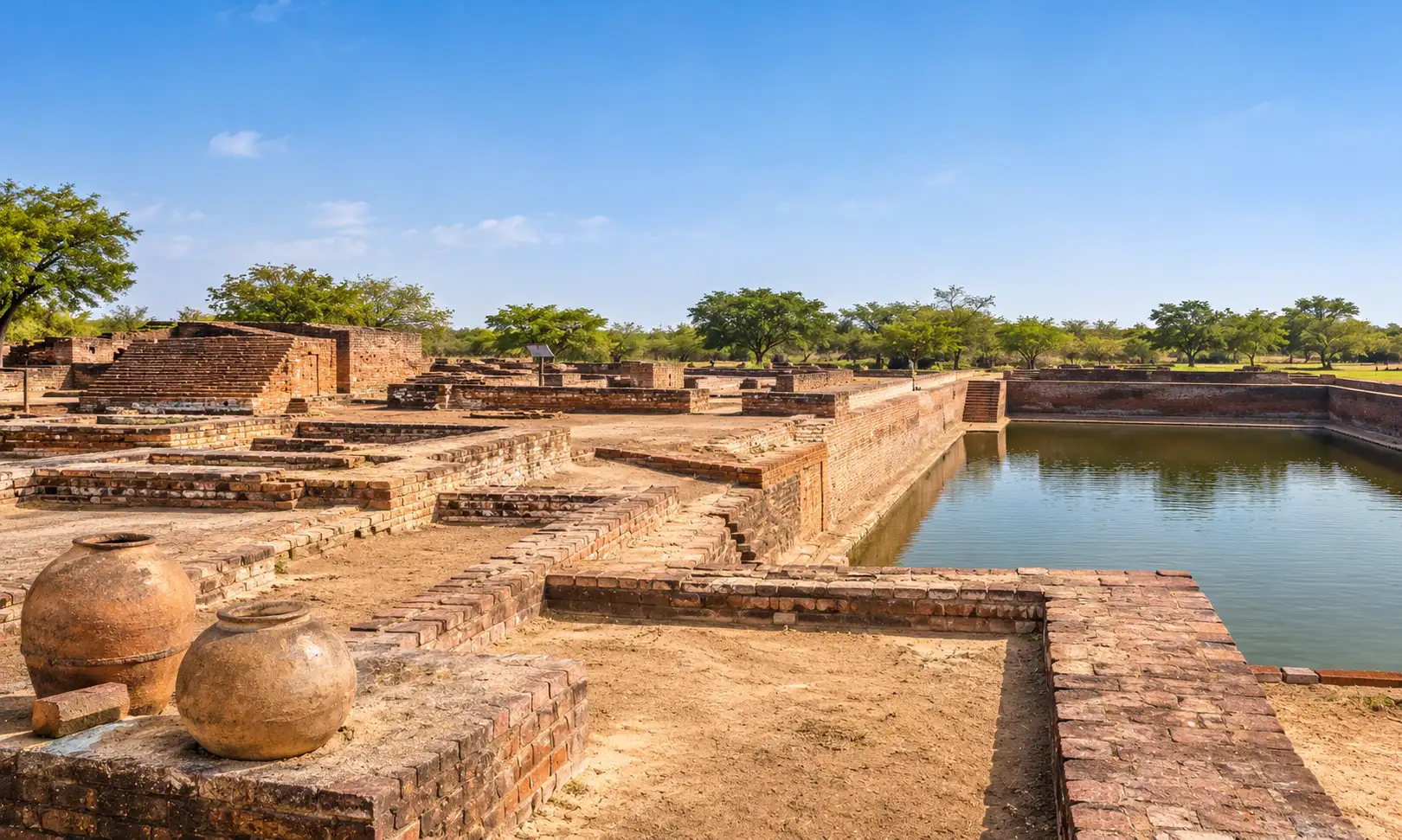
It sits beside Lothal, a 4,500-year-old Harappan port city. This was once home to one of the world’s earliest known dockyards.
In this guide, we break down every zone of the master plan. We also look at the project’s current status and what it means for the wider region, including Dholera.
What Is the National Maritime Heritage Complex?
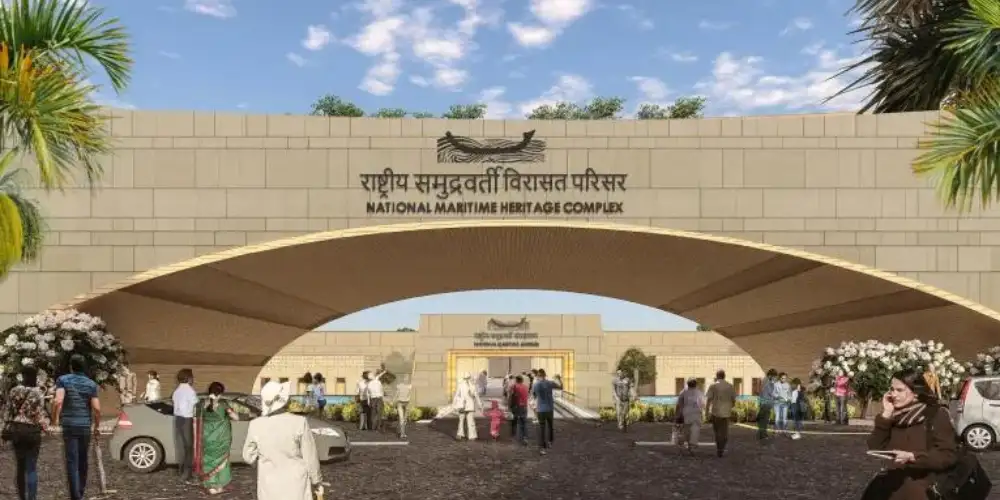
The NMHC is a flagship project of the Ministry of Ports, Shipping and Waterways. It is being developed under the Sagarmala Programme.
The complex spans roughly 400 acres. The total project cost is estimated at around ₹4,500 crore.
The master plan has been designed by the renowned architecture firm Hafeez Contractor. The Union Cabinet approved the project in October 2024.
Its goal is simple but ambitious. It aims to showcase India’s 4,500-year-old maritime legacy and turn Lothal into a world-class tourist destination.
Why Lothal? The Story Behind the Site
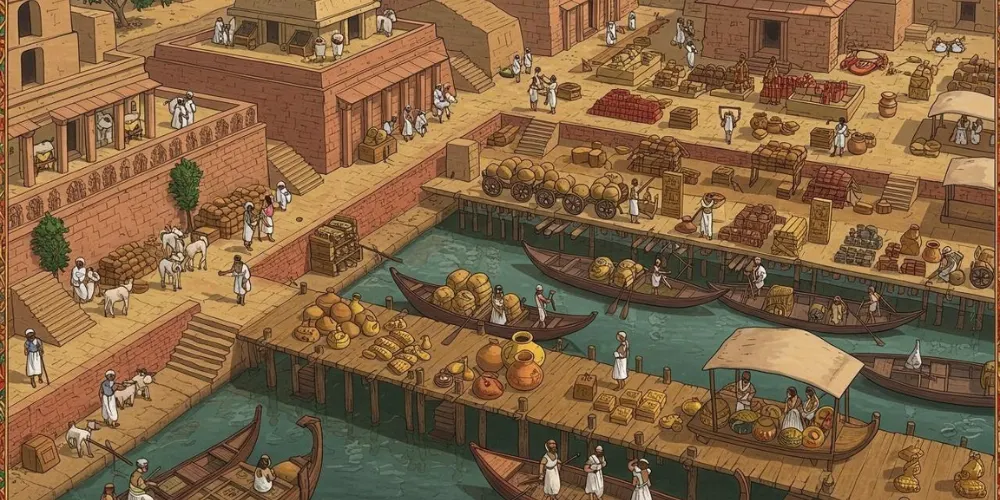
Lothal is one of the most important sites of the Indus Valley Civilisation. It lies in Ahmedabad district, about 80 km from Ahmedabad city.
Archaeologists found a massive brick dock here. Many experts consider it one of the oldest tidal dockyards in human history.
Ships from Lothal once traded beads, cotton and copper with Mesopotamia and beyond. Building a national maritime museum on this very soil gives the project unmatched historical weight.
The NMHC does not just tell India’s sea story. It tells it from the place where that story began.
The Master Plan: Zone-by-Zone Breakdown
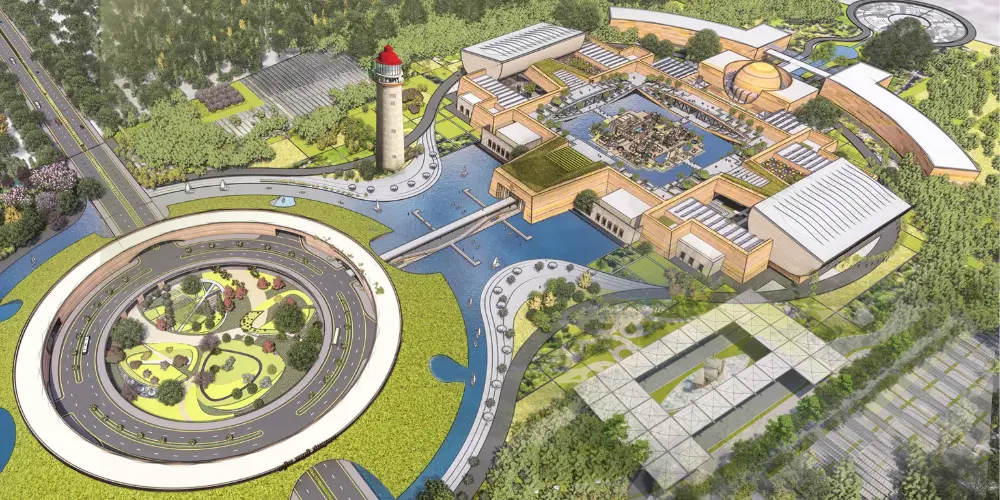
The master plan reads like a voyage. It flows from heritage and learning on one end to leisure and nature on the other.
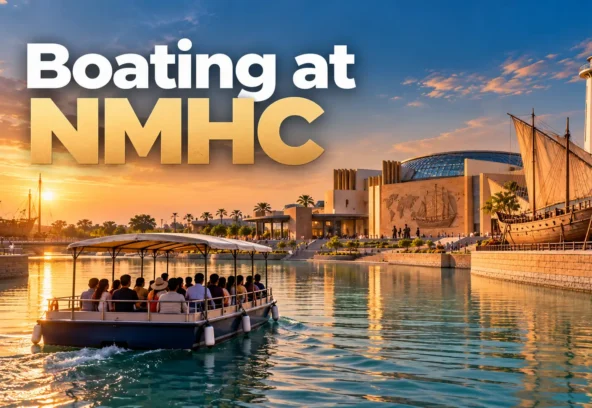
A network of canals and lagoons ties the zones together. Water is the common thread, just as it was for the ancient traders of Lothal. Visitors can move from one zone to the next along landscaped walkways, bridges and waterfront promenades.
Here is what each zone offers.
1. National Maritime Museum
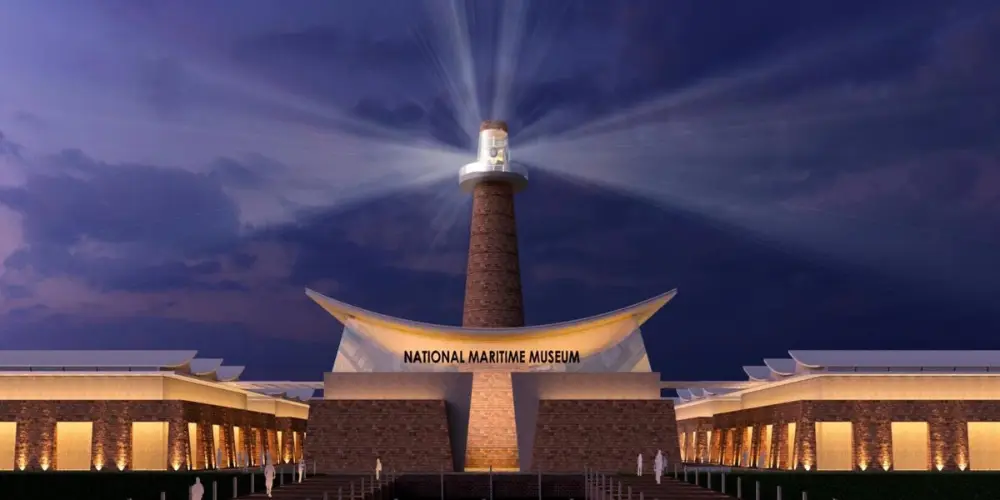
This is the heart of the complex. The museum block sits at the western end, surrounded by water.
It will house multiple galleries covering India’s naval and trading history. Exhibits are expected to span the Harappan era, the Chola sea power, colonial trade and the modern Indian Navy.
Visitors have already seen landmarks like INS Nishank and the Lothal Jetty Walkway during official reviews.
2. Lighthouse Museum
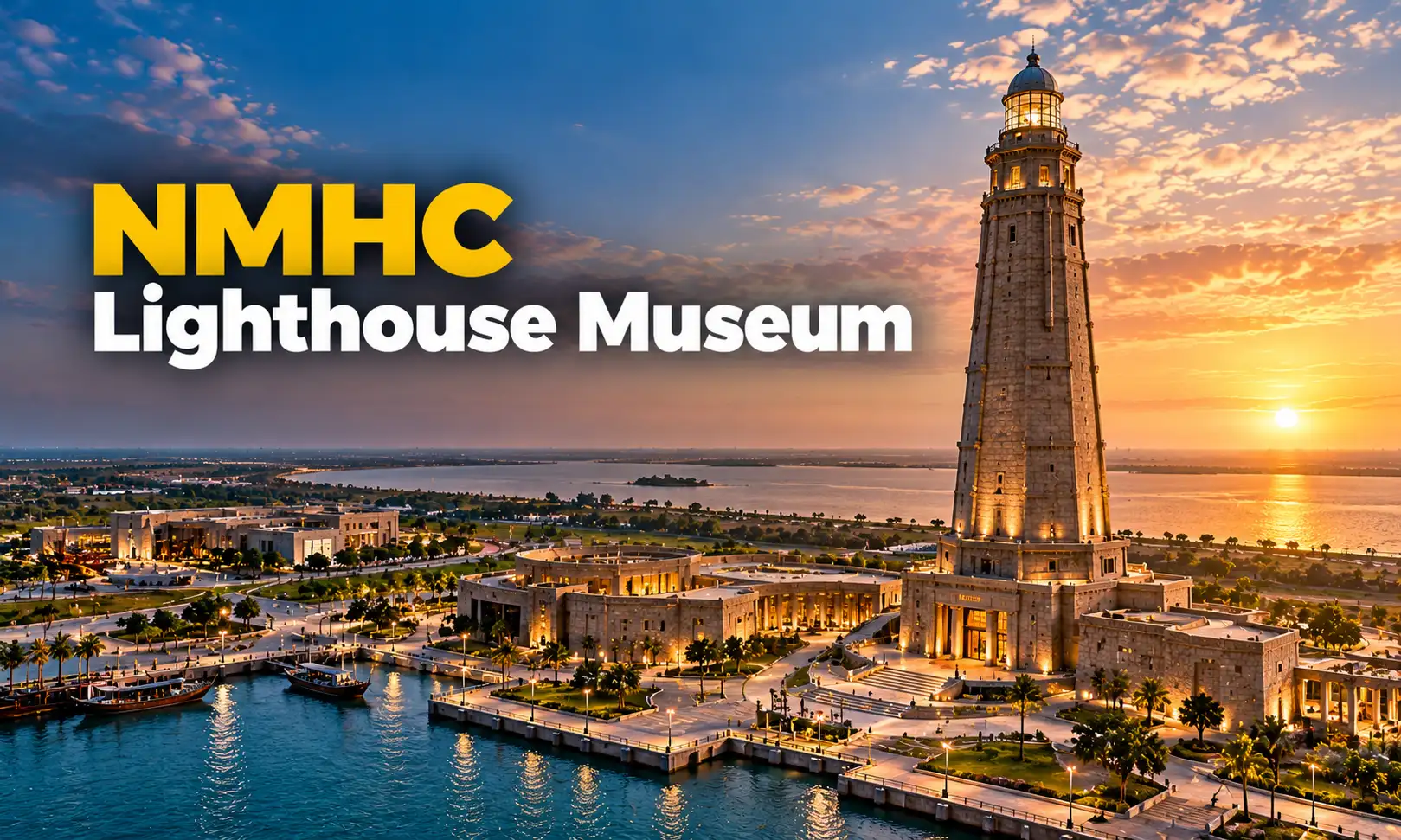
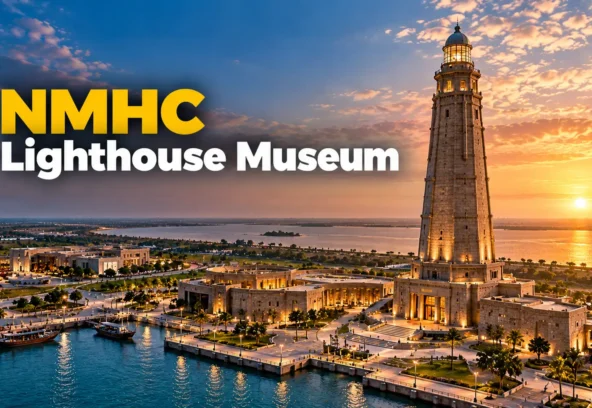
Right beside the main museum stands the Lighthouse Museum. It is planned as one of the tallest lighthouse structures of its kind.
It will tell the story of India’s coastal navigation and its historic lighthouses. Expect sweeping views of the entire complex from the top.
3. Lothal Town
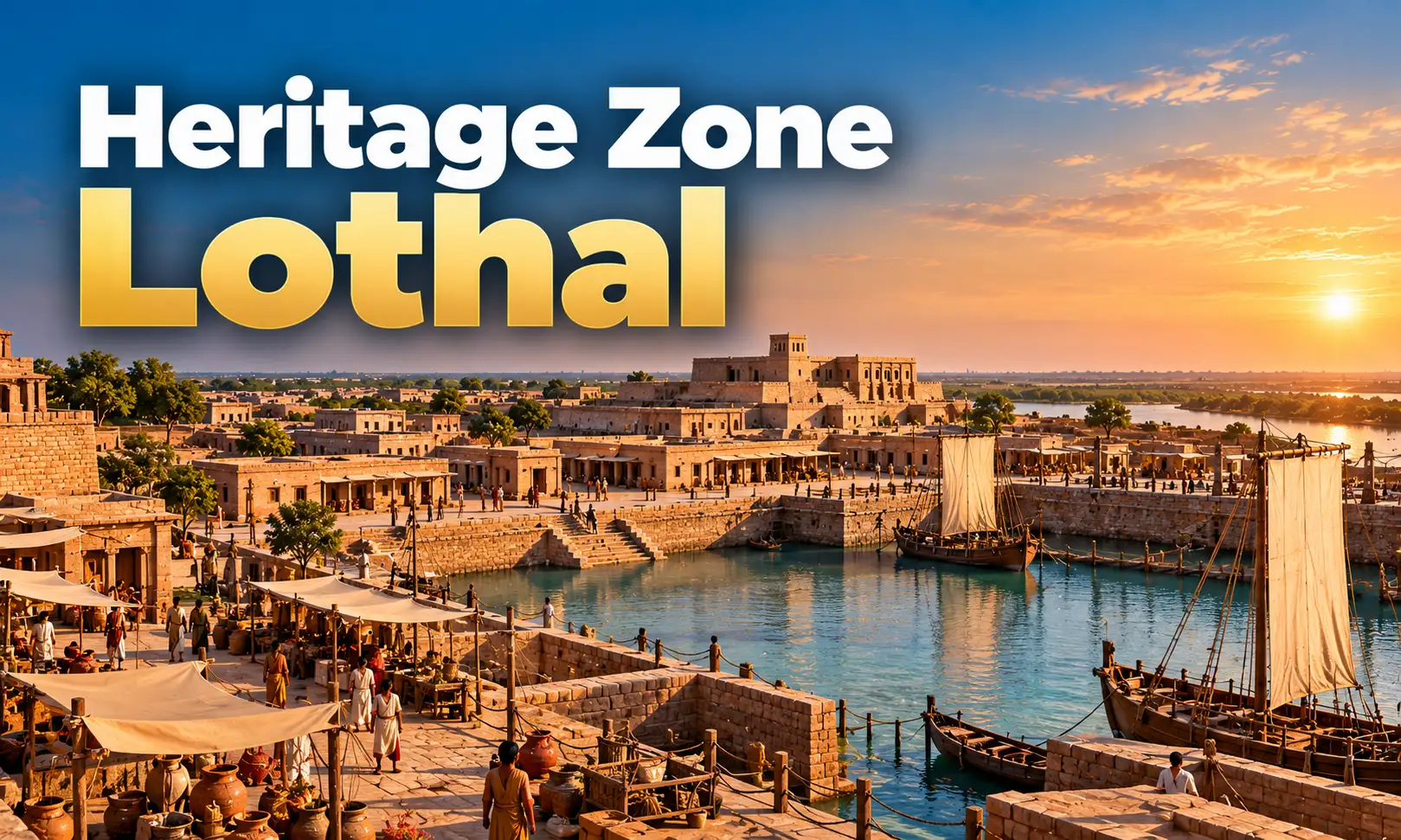
Lothal Town sits close to the museum. It is a themed zone that brings the feel of the ancient port to life.
This area connects the museum to the rest of the complex through gardens, walkways and water features.
4. Maritime Institute & Hostels
The north-western corner is reserved for learning. The Maritime Institute and its hostels will support research and training.
This makes the NMHC more than a tourist spot. It becomes a knowledge centre for maritime studies.
5. Water Holding Tanks
A large water body runs along the western edge. These holding tanks support the complex’s water features and canals.
They also add to the scenic, waterfront character of the master plan.
6. Bagicha Complex
At the centre of the plan lies the circular Bagicha Complex. It acts as a green hub linking the heritage zone to the leisure zone.
Think landscaped gardens, open spaces and a natural gathering point for visitors.
7. Lothal City
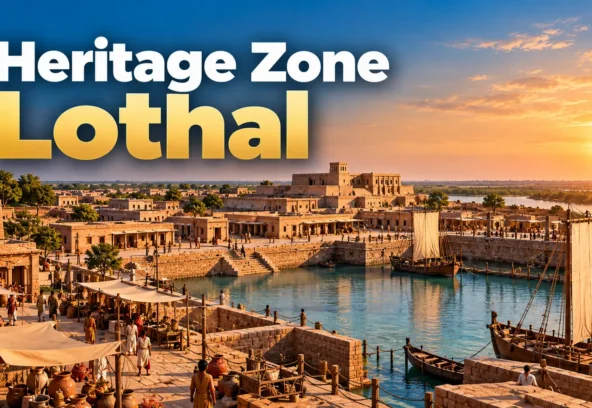
This is one of the most exciting parts of the plan. Lothal City is a full-scale recreation of the ancient Harappan town.
Visitors will walk through streets, homes, workshops and the dock as they might have looked 4,500 years ago. It turns archaeology into an immersive experience.
8. State Pavilions
Placed beside Lothal City, the State Pavilions celebrate India’s coastal states and union territories.
Each pavilion is expected to showcase the unique maritime culture, boats, food and crafts of its region.
9. Eco Resort & Museotels
The northern arm of the site is set aside for stays. The Eco Resort features clusters of cottages arranged around a lagoon.
Museotels are a unique idea – hotels themed around museum experiences. They let visitors stay overnight and explore at a relaxed pace.
10. Four Theme Parks
The eastern half of the plan holds four themed parks, laid out in a neat grid:
- Maritime & Naval Theme Park – ships, naval history and hands-on exhibits.
- Climate Change Theme Park – the link between oceans, climate and our future.
- Monuments Theme Park – famous Indian monuments in an engaging outdoor setting.
- Adventure & Amusement Park – rides and fun for families and younger visitors.
Together, these parks make the NMHC a full-day (or multi-day) destination.
11. Nature Conservation Park
The eastern tip of the site ends in a large lagoon and the Nature Conservation Park. It protects local ecology and offers quiet green trails.
It is a calm finish to the journey, balancing the busier attractions further west.
Current Status: Where Does the Project Stand?
Construction is well underway. As of the NMHC Society’s governing council meeting on 11 September 2026, Phase 1A had crossed about 82% physical completion.
Phase 1A covers the museum galleries, the Lothal Town recreation and aquatic theming. Its completion target was set for 31 October 2026.
In mid-October 2026, Gujarat Chief Minister Bhupendra Patel also visited the site. He reviewed Phase I and Phase II works and stressed timely completion.
Later phases will add the theme parks, state pavilions, resort zones and other attractions.
Why the NMHC Matters for Gujarat
The NMHC is more than a museum. It is a major economic engine for the region.
- Tourism boost: Domestic and global visitors will be drawn to the area.
- Jobs: Construction, hospitality and tourism will create thousands of roles.
- Infrastructure: Better roads, utilities and connectivity usually follow projects of this size.
- Cultural pride: It positions India as a nation with a deep maritime past.
The Dholera Connection
Lothal and Dholera share the same coastal stretch of Ahmedabad district, near the Gulf of Khambhat. They are only a short drive apart.
Dholera is already India’s first greenfield smart city under the Delhi–Mumbai Industrial Corridor. It is attracting semiconductor plants, an international airport and expressway links.
A world-class tourism hub next door adds a fresh layer of value. Hotels, restaurants, services and housing demand tend to grow around such landmarks.
For investors watching Dholera, the NMHC is one more reason the region is on a strong growth path. Plotted projects in Dholera, such as Angel Aerocity, stand to benefit as the whole region gains visibility.
Planning a Visit or an Investment?
Keep an eye on official announcements for opening dates and ticketing. The first phase is close to completion, so public access may not be far away.
If you are exploring property near Lothal and Dholera, now is a good time to study the region. Speak to a trusted local advisor, verify approvals and invest with a long-term view.
FAQs
It is at Lothal in Ahmedabad district, Gujarat, about 80 km from Ahmedabad city.
The complex covers about 400 acres.
The estimated total cost is around ₹4,500 crore.
The master plan was designed by Hafeez Contractor.
Phase 1A was about 82% complete in September 2026, with a target of 31 October 2026. Later phases will follow.